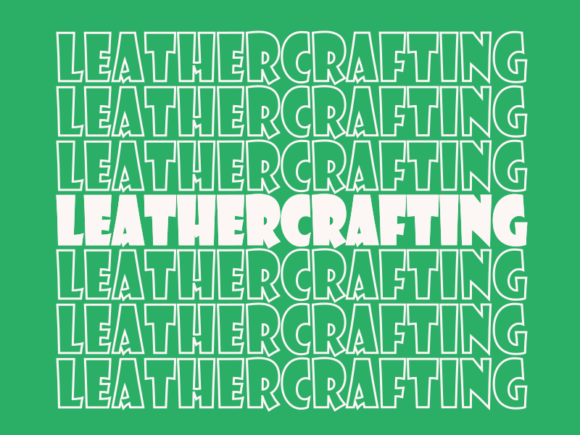
Leathercrafting SVG Cut File
First Impressions: Clean, Confident, and Craft-Ready
When I opened Leathercrafting SVG Cut File, I didn’t see a generic vector—it felt like stepping into a well-organized leather studio. The lines are crisp but not rigid; there’s a subtle hand-drawn warmth in the curves, and the negative space breathes just right. It’s not overly ornate, nor is it stripped down to bare bones—this is a design that understands balance. Think tooling motifs: interlocking straps, minimalist buckles, or stylized hide textures rendered with purpose. It lands somewhere between rustic authenticity and modern minimalism—exactly where today’s handmade apparel and boutique home goods live.
Real Project Test: A Custom Embroidered Tote for a Local Boutique
Last week, I used Leathercrafting SVG Cut File as the centerpiece for a limited-run embroidered canvas tote—intended for a small-town gift shop launching a “Maker’s Collection.” We stitched it on natural unbleached canvas, using matte cotton thread in deep saddle brown and warm tan. The result? Instant cohesion. The design held its shape beautifully at 4.2 inches wide—no bleeding, no distortion—even across the slight weave variation of the fabric. Customers commented on how “intentional” it looked—not like a clipart add-on, but like part of the tote’s identity. That’s the quiet power of this file: it reads as *designed*, not dropped in.
Where It Shines (and Where It Asks for Thought)
Leathercrafting SVG Cut File works especially well for:
- Custom apparel—sweatshirts, relaxed-fit tees, and structured caps (when placed on flat panels like front panels or back yokes);
- Embroidered patches—its clean outlines and moderate detail translate cleanly into sew-on or iron-on formats;
- Baby embroidery—on organic cotton burp cloths or linen onesies, its gentle geometry feels soft and safe without being cutesy;
- Holiday and wedding gifts—think monogrammed leatherette coasters or linen tea towels for bridal showers;
- Small shop product branding—it scales elegantly from a tiny tag logo (1.5") to a bold 6" chest emblem without losing legibility.
But—and this matters—Leathercrafting SVG Cut File isn’t plug-and-stitch magic. It rewards attention. On stretchy knits or thin rayon blends, I’d recommend light cutaway stabilizer and reduced stitch density in curved areas. On dark fabric, avoid ultra-fine satin stitch borders unless you’re confident in your thread tension—they can blur. And if you’re planning to use it on curved surfaces like baseball caps, test the layout first: some of the tighter interior angles may need minor manual adjustment to prevent puckering.
What It Does for Your Handmade Product—Beyond the Stitch
This isn’t just about whether the design *stitches*. It’s about what it says before the needle even moves. When your Etsy buyer sees Leathercrafting SVG Cut File rendered on a mockup of a heavyweight apron, they don’t just see decoration—they see craftsmanship, consistency, and care. That perception lifts perceived value. It also supports brand consistency: whether you’re embroidering a set of kitchen towels for a café or personalized baby blankets for a newborn bundle, the design feels like part of a thoughtful system—not a one-off graphic.
For craft business owners, that trust compounds. Repeat buyers recognize the motif. Wholesale partners appreciate how easily it adapts across product categories. And because it’s built as a scalable vector, you’re not locked into one size—you can offer matching embroidery on a patch, a tote, and a pillow cover without redesigning anything.
Practical Designer Notes You’ll Actually Use
Before stitching your first Leathercrafting SVG Cut File project, here’s what I do—and recommend you do too:
- Test on scrap fabric first, especially if you’re using textured or loosely woven material—see how fill stitches settle into the grain;
- Check thread color contrast on both light and dark backgrounds—not just digitally, but in real light (natural and indoor);
- Review stitch density in tight corners or layered elements—if it feels heavy, simplify one layer or adjust underlay;
- Confirm hoop size compatibility: while the SVG scales infinitely, your machine’s maximum embroidery area sets the practical upper limit;
- Inspect small details at actual stitch-out size—tiny loops or narrow connectors may need reinforcement or slight widening;
- Test in black-and-white mockups to gauge visual weight and hierarchy without color distraction;
- Use proper stabilizer—medium-weight tear-away for stable fabrics, cutaway for knits or delicate weaves;
- Verify licensing before selling finished items or bundling the file with your own digital embroidery file collections—SVG alone doesn’t define usage rights.
Final Thought: A Design That Earns Its Place
Leathercrafting SVG Cut File isn’t flashy—but it’s reliable, adaptable, and quietly distinctive. It doesn’t shout. It invites closer looking. That makes it ideal for makers who build businesses on authenticity, not noise. Whether you’re an Etsy seller refining your signature style, a small shop owner curating cohesive merchandise, or a designer prepping a client’s custom apparel line, this file delivers professional-grade flexibility without demanding excessive prep time. It fits naturally into workflows for machine embroidery design, applique design, and digital embroidery file libraries—especially when paired with intentional thread choices, smart stabilizing, and real-world testing. In short: it’s ready to work—just bring your judgment, your fabric, and your next great idea.